


MIAELAREDMOND New client intake Book a session

Grief support · Death doula

For whatever you've lost.

A loss is anything you intended to keep. A person. A pet. A marriage. A job. Your health. The life you pictured. Grief doesn't only come with a funeral, and it doesn't wait for permission.

Most of the people I sit with are very much alive, living in the middle of a change they didn't choose. Others are the ones left behind after a death, or caring for someone near the end. I'm here for all of it.

You don't have to be strong here.

“A loss is anything you intended to keep.”

– Micaela

Grief after any loss

If you're carrying one of these, this is for you.

  • A divorce or a breakup
  • A job loss, a career change or retirement
  • A move, an empty nest or a home you left behind
  • A diagnosis or a body that has changed
  • Estrangement from someone still living
  • The death of a person or a beloved pet
  • The life you planned that didn't happen

Grief shows up in the body: tight shoulders, no sleep, a chest that won't loosen, a fog that won't lift. That's where I start. We talk, and I work with your body and nervous system so it can finally let some of it move.

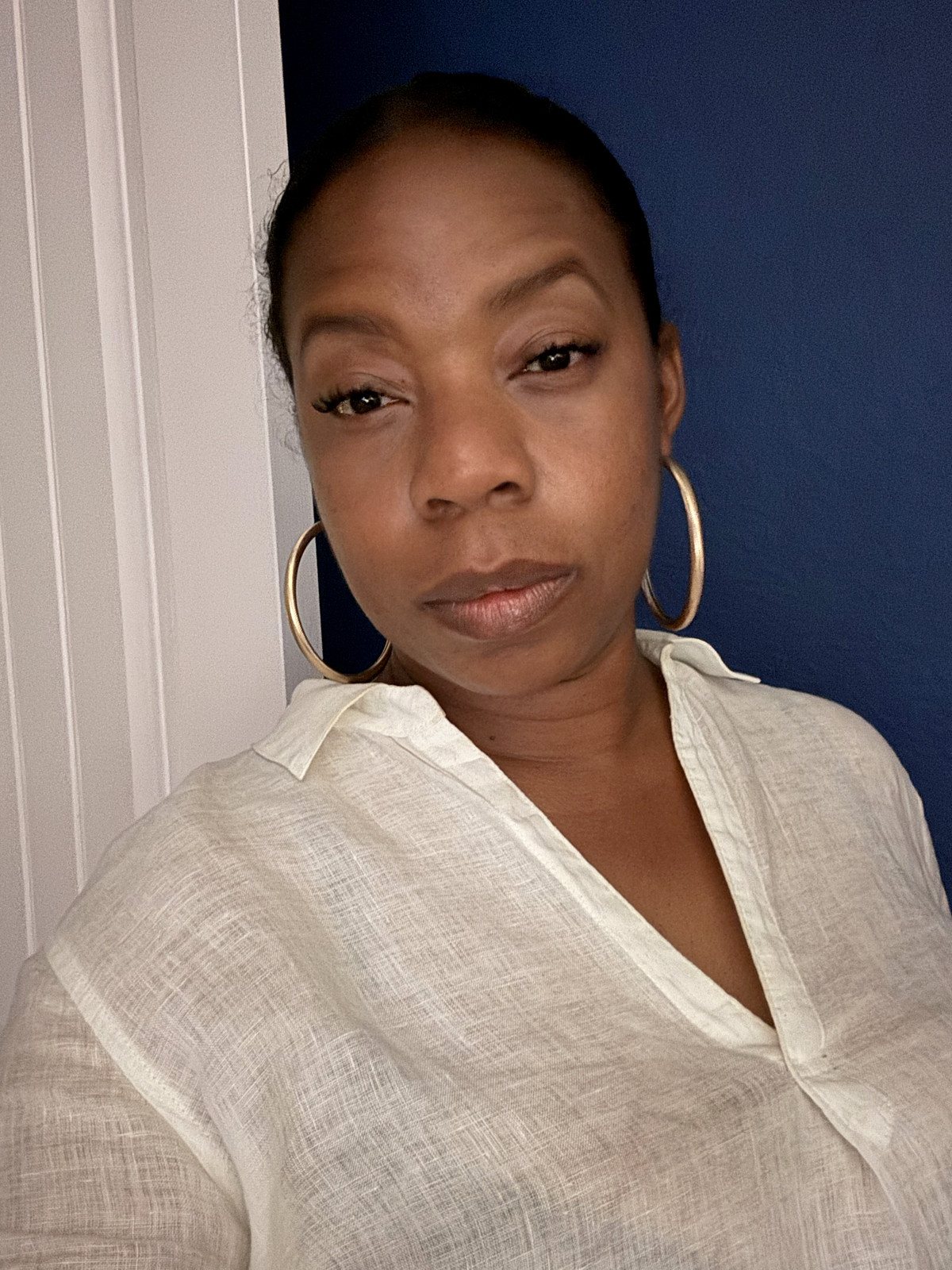
Portrait of Micaela in a white linen shirt

Who I am in this work

I come from a line of Southern women who sat with families.

Through illness, death and grief, my grandmother was the one people called. She taught me this work before she passed.

I'm trained through INELDA, the International End-of-Life Doula Association, with hospice education and years of hands-on care. A death doula is not a medical provider. I offer emotional, physical, practical and spiritual support.

My work includes bodywork and nervous system care for the dying person and the people who love them, and it often continues after the death. Many people reach out weeks or months later, including after losing a pet.

When someone is dying

Death doula care.

I also walk with people at the end of life and the families around them. Most often, I'm there for the ones who stay: the caregivers, the spouses, the grown kids holding it all together.

Here's a look at what that work is like.

Watch on Instagram

At the end of life

Care for everyone in the room.

For caregivers and family

Somewhere you don't have to be strong.

  • Bodywork for tension, exhaustion and the strain of long-term care
  • A space to speak openly
  • Guidance when you don't know what to expect
  • Support for anticipatory grief
  • Grounding for overwhelming moments
  • Tools for staying steady and present
  • Quiet companionship

For the person transitioning

Comfort, companionship and peace.

Pain management with precise, gentle touch, even when they can't tell you where it hurts.

  • Gentle companionship
  • Talking through fears, feelings and unfinished thoughts
  • Soft touch, craniosacral-style holding and intuitive bodywork
  • Calming the nervous system through restlessness or anxiety
  • Breathing support and comfort routines
  • Creating peaceful surroundings
  • Rituals, prayer or quiet practices
  • Legacy, storytelling and memory projects
  • Guidance through the stages of transition

Grief support after the loss

Grief often gets louder after everyone goes home.

Some people first reach out after the loss, when the body shuts down, sleep won't come, or they need someone steady beside them.

Grief week, the days right after a loss
The weeks and months that follow
Grief that returns long after others expect you to be fine
Nervous system care for shock, numbness or overwhelm
Bodywork for the physical weight of grief
A space to talk, cry, process or be held
Meaning-making and spiritual grounding
Support when you don't want therapy but can't carry this alone
8 weeks

The 8-week grief program

Eight weeks, right after the loss.

For any loss: a person, a partner, a pet, a marriage, a job, a way of life.

Most people start with me in the first days or weeks after a loss. For eight weeks, we meet in person or virtually and work with grief where it actually lives: in the body and the nervous system.

I won't tell you what will happen. Everyone's grief moves in its own way. What I can tell you is that I've watched this work help people shift, release and begin to heal.

8 weeks · In person or virtual · Ask me about pricing

Ask about the program

Planning, clarity and practical support

Help with the things nobody explains.

  1. Support before, during or after hospice care
  2. Understanding the physical and emotional stages of dying
  3. Rituals and surroundings that reflect the person's wishes
  4. Legacy and memory work
  5. Preparing the home or care space
  6. Coordinating with family and care teams
  7. Guidance in the days and weeks after a death

Why people call me

Some are overwhelmed or afraid and want steady support for themselves or the person they love. Others call after the loss, when everyone else has moved on and the grief hasn't.

A conversation comes first

Every family and every loss is different.

We start by talking about what you're facing and what kind of support would help. Grief deserves presence and steadiness. I'm ready to offer both.

Schedule a conversation